
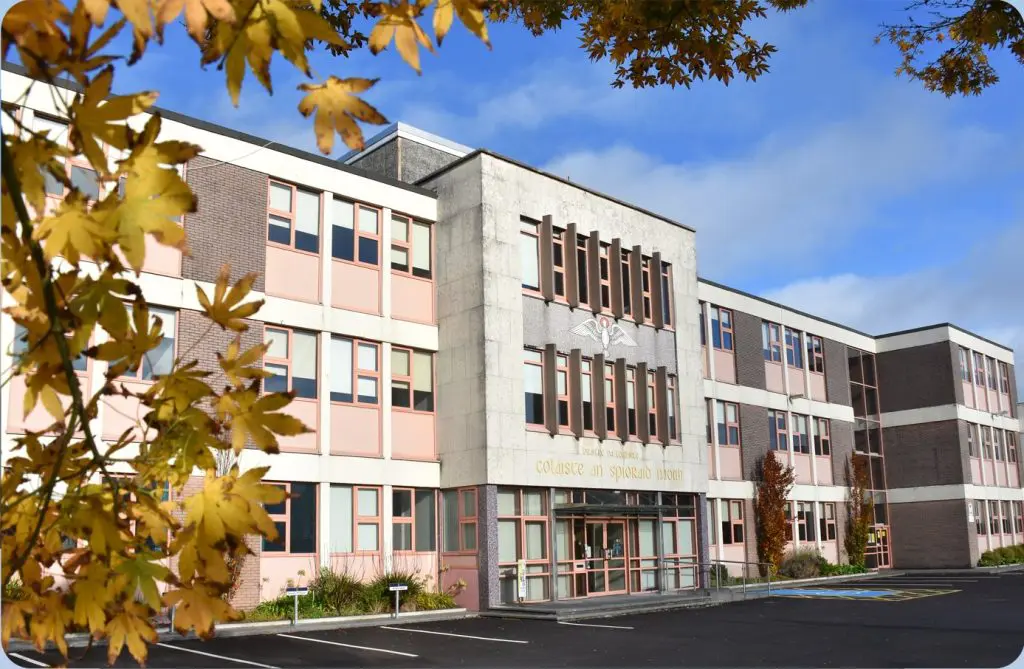
Empowering Education Through Solar Energy: 11kWp Solar PV Installation at Coláiste an Spioraid Naoimh, Cork
At VEEP Energy, we are passionate about helping schools reduce their energy costs, lower their carbon footprint, and create a more sustainable future for generations to come. One of our recent projects involved the installation of an 11kWp Solar PV system at Coláiste an Spioraid Naoimh in Bishopstown, Cork, where the integration of solar technology is making a significant impact on energy efficiency and sustainability in Cork, a well-respected educational facility committed to embracing renewable energy.
This project demonstrates how schools throughout Ireland can benefit from clean, reliable solar power while maintaining day-to-day operations with minimal disruption.
The project in Cork demonstrates how schools throughout Ireland can benefit from clean, reliable solar power while maintaining day-to-day operations with minimal disruption.
Project Overview
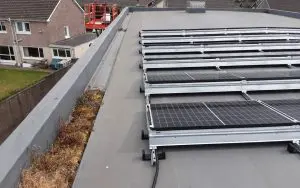
Located in the heart of Bishopstown, Co. Cork, Coláiste an Spioraid Naoimh sought to improve its energy efficiency by harnessing the power of solar energy across multiple buildings on campus.
The project involved the installation of solar photovoltaic (PV) panels on three separate buildings:
- Administration Building
- Maintenance Depot
- Salt Barn
Together, these installations form an 11kWp solar energy system designed to generate clean electricity directly from sunlight, helping the school reduce its reliance on grid electricity while contributing to Ireland’s renewable energy targets.
This initiative is part of a broader movement to promote solar energy within Cork.
Why Schools Are Investing in Solar Energy
Educational facilities are ideal candidates for solar energy systems. Schools typically consume significant amounts of electricity during daylight hours when solar panels are producing maximum output.
Benefits include:
- Reduced electricity bills
- Long-term protection against rising energy costs
- Lower carbon emissions
- Improved sustainability credentials
- Educational opportunities for students to learn about renewable energy
- Enhanced environmental awareness across the school community
By investing in solar technology, Coláiste an Spioraid Naoimh is taking a proactive step towards creating a greener and more sustainable campus.
The installation at Coláiste an Spioraid Naoimh reflects the growing trend of schools in Cork investing in solar technology for a sustainable future.
The Installation Process
Every solar project begins with careful planning and a detailed site assessment to ensure maximum system performance and safety.
1. Site Survey and System Design
Before installation commenced, our technical team conducted a comprehensive survey of the school’s buildings. Factors including roof condition, structural integrity, orientation, shading levels, and electrical infrastructure were assessed.
Using this information, we designed an 11kWp solar PV system optimised for the school’s energy consumption patterns and available roof space.
2. Establishing Safe Working Areas
As the school remained fully operational throughout the installation, safety was the highest priority.
A range of safety measures were implemented, including:
- Clearly defined exclusion zones
- Temporary fencing
- Designated access routes
- Controlled work areas
- Continuous risk assessments
All VEEP Energy operatives wore the appropriate Personal Protective Equipment (PPE), including:
- Safety footwear
- Hard hats
- Eye protection
- Ear protection
- Protective gloves
- Dust masks
- Fall arrest harnesses where required
These procedures ensured a safe working environment for both our installation team and the school’s staff and students.
3. Scaffolding Installation
By engaging in this project, Coláiste an Spioraid Naoimh is leading the way for other schools in Cork to follow suit.
To gain safe access to the roofs of all three buildings, professionally designed scaffolding systems were erected.
The scaffolding provided:
- Safe roof access
- Fall protection
- Secure working platforms
- Efficient movement of materials
This stage is essential for maintaining safety and ensuring compliance with all relevant industry standards.
4. Material Delivery and Roof Loading
All materials were delivered to site using specialist transport vehicles, including curtain-side and flatbed trucks.
Equipment used for unloading included:
- Teleporters
- Cranes
- Tail lift systems
- Lifting equipment
Once unloaded, materials were safely stored before being carefully transported to the roof areas.
5. Solar Panel Mounting Installation
These solar panels not only support the school’s energy needs but also contribute to Cork’s renewable energy goals.
The solar panels were mounted using robust roof fixing systems specifically designed for the building structures.
The installation process included:
- Positioning roof mounting rails
- Securing structural fixings
- Installing panel clamps and brackets
- Mounting solar modules
- Testing mechanical stability
All fixings and mounting components were installed in accordance with manufacturer specifications to ensure maximum durability and long-term performance.
6. Electrical Integration
Following completion of the mechanical installation, our qualified electricians connected the solar array to the school’s electrical infrastructure.
This stage included:
- DC cabling installation
- String configuration
- Inverter connection
- Electrical protection systems
- Grid connection
- Performance testing and commissioning
Once completed, the system was fully tested to verify safety, efficiency, and energy production capability.
The success of this installation sets a precedent for other educational institutions in Cork to harness solar energy.
Materials Used During Installation
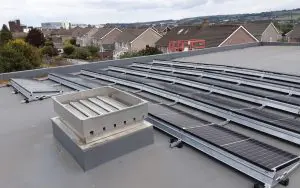 Materials Used During Installation
Quality materials are essential for achieving reliable system performance and longevity.
The project utilised:
Solar PV Panels
High-efficiency photovoltaic modules designed to maximise solar energy generation while withstanding Ireland’s varying weather conditions.
Mounting System Components
- Aluminium mounting rails
- Stainless steel fixings
- Roof brackets
With increasing interest in solar solutions, Cork continues to emerge as a leader in renewable energy initiatives.
- Mid clamps
- End clamps
These corrosion-resistant materials provide excellent structural integrity and long service life.
Electrical Components
- Solar DC cabling
- AC electrical cabling
- Isolation switches
- Surge protection devices
- Monitoring equipment
- Inverters
Each component was selected to meet strict industry standards and manufacturer requirements.
General Construction Materials
Additional construction materials were used throughout the installation process to support safe and secure integration of the solar system.
Battery Storage Options for Schools
While this particular project focused on solar generation, many educational facilities are now considering battery storage systems to maximise energy savings.
For schools, we typically recommend Lithium Iron Phosphate (LiFePO4) battery technology due to its excellent safety profile, long lifespan, and reliability.
Benefits of LiFePO4 Batteries
- Enhanced thermal stability
- Long cycle life
- Low maintenance requirements
- Improved safety compared to alternative battery chemistries
- Ability to store excess daytime solar energy
- Reduced reliance on grid electricity
Battery systems can be integrated with solar PV installations to store unused energy generated during the day for use during peak demand periods or evening activities.
Schools in Cork are encouraged to explore battery storage systems to complement their solar PV installations.
Manufacturer Installation Requirements
To maintain warranties and ensure long-term performance, all solar installations must comply with manufacturer guidelines.
These requirements typically include:
Structural Assessment
Roofs must be capable of supporting the additional loading imposed by solar panels and mounting systems.
Approved Mounting Systems
Only manufacturer-approved brackets, rails, clamps, and fixings should be used.
Electrical Compliance
All wiring and electrical connections must be installed by qualified personnel in accordance with Irish electrical regulations and manufacturer specifications.
Ventilation Requirements
Adequate airflow around panels and inverters must be maintained to optimise performance and prevent overheating.
Torque Specifications
All mounting bolts and fixing components must be tightened to the manufacturer’s specified torque settings.
Post-Installation Testing
Comprehensive commissioning tests must be completed before the system is energised and handed over.
Equipment Used on Site
Our installation team utilised a range of specialist tools and equipment including:
- Drills
- Screw guns
- Screwdrivers
- Hand tools
- Lifting equipment
- Teleporters
- Access equipment
- Safety systems and fall protection equipment
These tools enabled efficient installation while maintaining high standards of quality and safety.
Aftercare and Ongoing Maintenance
One of the greatest advantages of solar PV technology is its relatively low maintenance requirement. However, regular inspections help maximise energy production and protect your investment.
Recommended Maintenance Schedule
Visual Inspections
Annual inspections should be carried out to check:
- Panel condition
- Mounting systems
- Roof integrity
- Electrical cabling
Cleaning
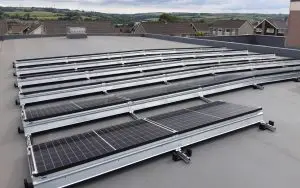 Although rainfall naturally washes most dirt from solar panels, periodic cleaning may be beneficial if:
- Dust accumulates
- Bird droppings are present
- Nearby trees create debris
Electrical Testing
Periodic inspections of:
- Inverters
- Isolation switches
- Cabling
- Monitoring systems
ensure the system continues operating safely and efficiently.
Performance Monitoring
Modern solar systems can be monitored to track energy production and quickly identify any reduction in performance.
At VEEP Energy, we offer ongoing support and maintenance services to ensure systems continue delivering optimal performance for many years.
A Brighter Future for Coláiste an Spioraid Naoimh
The successful completion of this 11kWp Solar PV installation at Coláiste an Spioraid Naoimh highlights the growing commitment of Irish schools to sustainability and energy efficiency.
By generating clean, renewable electricity on-site, the school is reducing energy costs, lowering carbon emissions, and demonstrating environmental leadership within the local community.
This commitment to renewable energy not only benefits the environment but also reinforces the role of Cork as a hub for sustainability.
At VEEP Energy, we are proud to support schools, businesses, and organisations across Ireland in making the transition to renewable energy. Whether you’re considering a solar PV installation, battery storage solution, or a complete energy efficiency upgrade, our experienced team is ready to help you achieve a more sustainable future.
By choosing solar energy, schools in Cork are making a significant investment in their future.
VEEP Energy is excited to collaborate with schools across Cork to advance solar energy adoption.

Contact Us!
Visit www.veepenergy.ie today to discover the benefits of solar energy and learn how a professionally designed PV system can help reduce your energy costs while lowering your carbon footprint.
Explore how our Residential PV Installation can transform your energy consumption.
For more information, contact our team on (01) 537 7669 or email [email protected].
You can also follow VEEP Energy on social media to keep up with our latest commercial and residential installations, renewable energy news, company updates, and behind-the-scenes project content.
Facebook: @veepenergy
https://www.facebook.com/
Instagram: @veepenergy
https://www.instagram.com/veepenergy/